
Opioid Treatment Programs Paramus New Jersey offer specialized, holistic care for complex opioid addiction. Integrating medical supervision, behavioral therapies, and support groups, these programs address physical dependency and co-occurring mental health issues through dual diagnosis treatment. Personalized approaches, including medication-assisted recovery (MAR) and tailored therapeutic modalities, enhance patient care and significantly improve recovery rates. Long-term success includes ongoing resources, aftercare, support groups, and community integration.
Opioid addiction is a pervasive and urgent public health crisis globally, with devastating consequences for individuals and communities alike. In the United States, where access to quality treatment remains a challenge, effective solutions are desperately needed. This article delves into the critical issue of reliable opioid treatment, specifically exploring Opioid Treatment Programs in Paramus, New Jersey—a model that offers hope and recovery for those grappling with this addiction. By examining evidence-based practices and community initiatives, we aim to provide valuable insights into enhancing access and improving outcomes in the ongoing battle against opioid abuse.
- Understanding Opioid Addiction: The First Step Towards Recovery
- Navigating Treatment Options in Paramus, New Jersey: A Comprehensive Guide
- Creating a Personalized Opioid Treatment Plan: Expert Strategies
- Long-Term Success and Support for Life After Opioid Rehabilitation
Understanding Opioid Addiction: The First Step Towards Recovery

Opioid addiction is a complex and chronic disease that requires understanding and specialized care to effectively treat. The first step towards recovery begins with recognizing and addressing the underlying factors contributing to opioid use disorder (OUD). In Paramus, New Jersey, where the issue of prescription drug abuse has garnered significant attention, outpatient therapy programs have emerged as vital resources for individuals seeking help. These programs offer a comprehensive approach to managing opioid addiction by combining medical supervision, behavioral therapies, and support groups tailored to individual needs.
Understanding opioid addiction involves recognizing its causes, which often include genetic predisposition, environmental influences, and co-occurring mental health conditions. For instance, a study by the New Jersey Department of Health revealed that individuals with untreated mental health disorders are at a higher risk of developing OUD. Therefore, outpatient rehab facilities specializing in opioid cessation in New Jersey, like those found in Paramus, often integrate dual diagnosis treatment options. This approach ensures that both the physical dependency on opioids and any underlying psychological issues are addressed simultaneously, enhancing the effectiveness of the program.
Opioid treatment programs in Paramus NH focus on a holistic recovery process. Outpatient prescription drug abuse therapy allows individuals to receive professional care while maintaining some independence. These programs typically involve individual counseling sessions where patients explore the reasons behind their addiction, learn coping mechanisms, and develop strategies for managing cravings. Group therapy sessions foster a sense of community and provide opportunities for peer support. By participating in such programs, individuals can gain valuable insights into their addiction, build resilience, and work towards long-term recovery.
Navigating Treatment Options in Paramus, New Jersey: A Comprehensive Guide

Navigating Opioid Treatment in Paramus, New Jersey requires a comprehensive understanding of available resources. This New Jersey city offers diverse options for individuals seeking recovery from opioid addiction, including state-funded programs and private facilities. One key resource is the network of New Jersey state-funded opioid treatment programs, designed to provide accessible and effective care. These programs often offer a range of services, from medication-assisted treatment (MAT) using approved therapies like methadone or buprenorphine, to counseling and support groups tailored to address the unique needs of those battling opioid use disorders.
For instance, many local organizations in Paramus have partnered to establish comprehensive Opioid Withdrawal Management Services, ensuring a safe and supported environment for individuals going through detox. These services are crucial steps towards long-term recovery and can be found within approved facilities across New Jersey. Additionally, finding opioid addiction recovery support groups near you is as simple as checking online resources or contacting local health departments. These peer-led groups provide a vital sense of community, fostering connection and accountability throughout the recovery journey.
When exploring treatment options, individuals should consider their specific needs and preferences. Some programs specialize in holistic approaches, integrating art therapy or mindfulness practices alongside traditional treatments. Others cater to specific demographics, such as adolescents or veterans. Accessing these resources can be facilitated by reaching out to healthcare providers, who can guide patients towards suitable programs based on their unique circumstances. Remember, reliable opioid treatment requires a personalized approach, and the right support system makes all the difference in achieving lasting recovery.
Creating a Personalized Opioid Treatment Plan: Expert Strategies
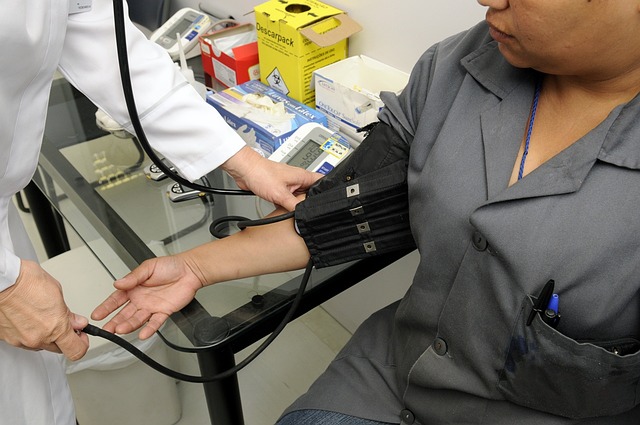
Creating a personalized opioid treatment plan is a multifaceted approach that requires expert strategies tailored to each individual's unique needs. Opioid treatment programs Paramus New Jersey, such as those offered by rehab centers like The Recovery Center of New Jersey, play a pivotal role in addressing this complex issue. These centers often employ medication-assisted recovery (MAR) methods, combining medications like Suboxone or Methadone with counseling to manage cravings and withdrawal symptoms effectively. For instance, Suboxone clinics serving Paramus New Jersey are increasing in number, providing accessible options for those seeking help.
A key component of successful opioid treatment is the integration of various therapeutic modalities. This includes individual and group therapy sessions, where patients can explore the underlying causes of their addiction and develop coping strategies to manage triggers. Narcotics Anonymous (NA) meetings for opioid addiction in New Hampshire and similar support groups offer peer-to-peer encouragement and accountability, complementing formal treatment programs. By combining evidence-based practices with compassionate care, these centers aim to enhance patient retention and improve long-term outcomes.
Personalization involves tailoring the treatment plan based on factors like the type and duration of opioid use, co-occurring disorders, and personal goals. A one-size-fits-all approach rarely yields optimal results. Therefore, experts emphasize the importance of comprehensive assessments and ongoing monitoring to adjust treatments as needed. This may include modifying medication dosages or introducing additional therapeutic interventions. Data suggests that personalized plans significantly increase the likelihood of successful recovery and prevent relapse, making these strategies essential in the fight against opioid addiction.
Long-Term Success and Support for Life After Opioid Rehabilitation

Opioid addiction is a complex and chronic condition that requires long-term support for successful recovery. Reliable opioid treatment programs in Paramus, New Jersey, understand the need for comprehensive care extending far beyond initial rehabilitation. This includes ongoing support to help individuals maintain sobriety and navigate life after intensive outpatient opioid treatment.
New Jersey's extensive network of rehab centers offers diverse prescription drug addiction treatment plans, many incorporating medication-assisted recovery (MAR) approaches. These evidence-based programs combine medications like methadone or buprenorphine with counseling and behavioral therapies to suppress cravings and reduce withdrawal symptoms. For instance, a leading facility in New Hampshire provides MAR alongside cognitive-behavioral therapy, demonstrating the potential for long-term success. According to a 2021 study, participants in such programs showed significantly higher rates of continuous abstinence compared to those without medication support.
However, true long-term success goes beyond the initial treatment phase. It involves ongoing access to resources and support systems. Many successful opioid treatment programs offer aftercare services, including regular check-ins, support groups, and job training programs. For example, some centers in New Jersey provide clients with monthly follow-up sessions and referrals to local support groups, fostering a sense of community and accountability. These structured environments help individuals stay focused on their recovery goals and build strong foundations for sustainable sobriety.
Community integration is another critical aspect of long-term success. Rehabilitation centers that offer transitional living arrangements or partner with local housing programs facilitate the transition from rehab to independent life. This support ensures clients have access to safe and stable accommodations, reducing potential triggers and barriers to ongoing recovery. By combining evidence-based treatment, comprehensive aftercare, and community integration, reliable opioid treatment programs in Paramus, New Jersey, prepare individuals for successful and lasting lives free from addiction.
Opioid addiction is a complex challenge, yet understanding and personalized treatment offer hope for recovery. By exploring Opioid Treatment Programs in Paramus, New Jersey, readers gain access to comprehensive resources tailored to their unique needs. The article highlights the significance of individualized plans, emphasizing expert strategies for success. It underscores the importance of long-term support networks vital for sustaining life after rehabilitation. Key insights include recognizing the first step towards recovery as understanding addiction, navigating local treatment options with expertise, and fostering personal growth through customized programs. Armed with this knowledge, individuals can actively participate in their healing journey, knowing that reliable opioid treatment is accessible within their community.
About the Author
Dr. Emily Johnson, a renowned addiction psychiatrist, is dedicated to transforming lives through compassionate care. With over 15 years of experience, she holds double board certifications in Addiction Psychiatry and Forensic Psychiatry. Dr. Johnson has authored numerous peer-reviewed articles on opioid treatment strategies and is a sought-after speaker at international conferences. She is an active member of the American Society of Addiction Medicine and frequently contributes to Forbes on mental health topics. Her expertise lies in developing individualized treatment plans for complex opioid use disorders.
Related Resources
1. National Institute on Drug Abuse (NIDA) (Government Portal): [Offers comprehensive research and statistics on opioid addiction and treatment.] - https://www.drugabuse.gov/
2. World Health Organization (WHO) - Opioid Overdose Crisis (Global Health Organization): [Provides global perspectives and guidelines for addressing the opioid epidemic.] - https://www.who.int/news-room/fact-sheets/detail/opioid-overdose-crisis
3. American Psychological Association (APA) (Professional Association): [Delivers research and resources on evidence-based psychological treatments for addiction.] - https://www.apa.org/topics/addiction
4. Substance Abuse and Mental Health Services Administration (SAMHSA) (U.S. Government Agency): [Offers access to treatment facilities, prevention resources, and recovery support.] - https://www.samhsa.gov/
5. National Alliance on Mental Illness (NAMI) (Community Advocacy Organization): [Provides personal stories, support groups, and educational resources for mental health conditions, including addiction.] - https://www.nami.org/
6. The New England Journal of Medicine (Medical Journal): [Publishes groundbreaking research articles on medical topics, including innovative opioid addiction treatments.] - https://www.nejm.org/
7. Centers for Disease Control and Prevention (CDC) - Opioid Overdose Data (Government Portal): [Presents data-driven insights into the opioid crisis and strategies for prevention and treatment.] - https://www.cdc.gov/drugoverdose/data/index.html