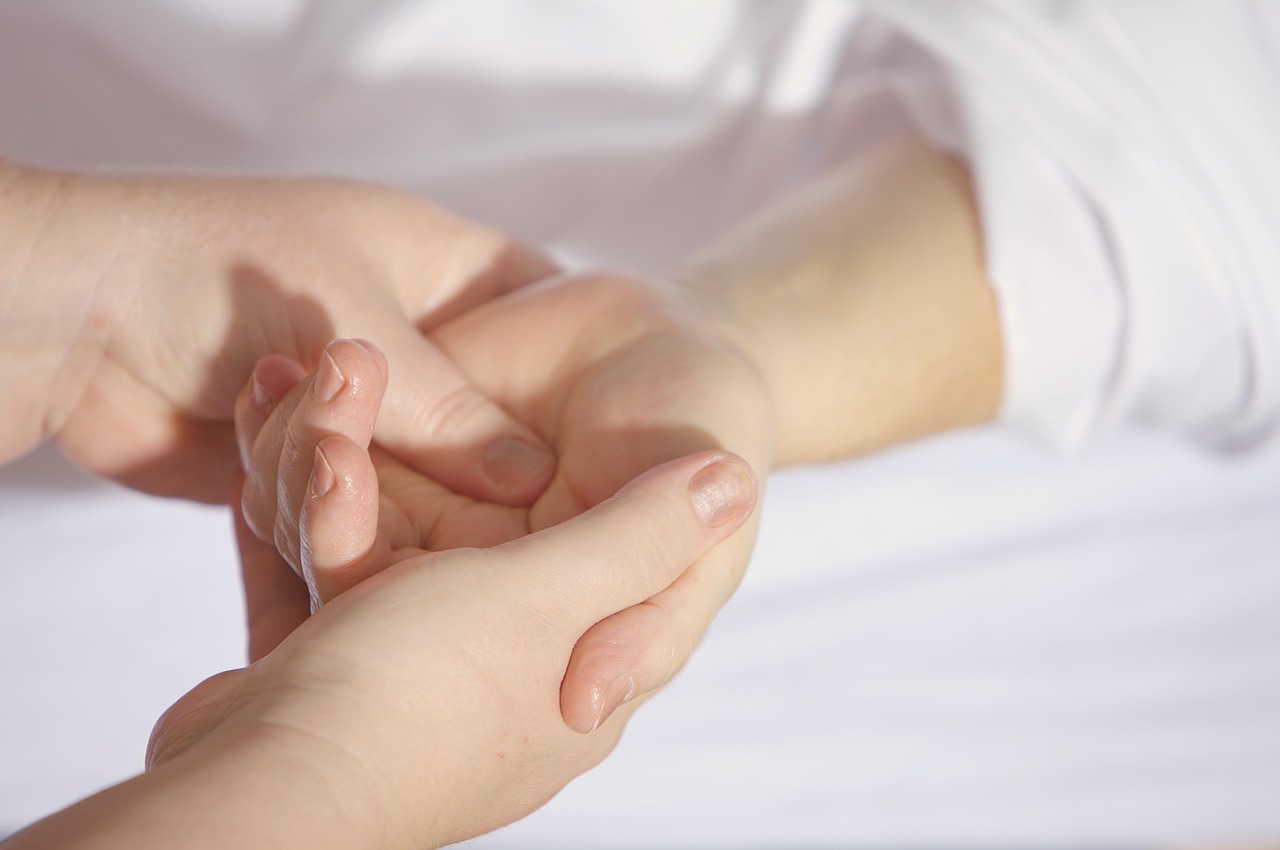
Opioid Treatment Programs in Paramus, New Jersey, offer a lifeline to individuals grappling with opioid use disorders, providing customized recovery paths that address the unique needs of each person. The problem is clear: one-size-fits-all approaches often fail to account for the complex interplay of physical, psychological, and social factors contributing to addiction. In response, Paramus's reputable treatment centers have embraced individualized treatment plans, leveraging evidence-based therapies, medications, and behavioral interventions to tailor care.
By prioritizing personalized assessment and flexible programs, these facilities empower patients to take control of their recovery journeys. This tailored approach has proven effective, leading to improved outcomes and higher rates of long-term abstinence among participants. We'll examine the strategies and resources that make these customized programs successful, providing valuable insights for both patients seeking support and professionals dedicated to advancing the field of addiction treatment.
- Understanding Individualized Recovery: Tailoring Opioid Treatment
- Patient Assessment: The Cornerstone of Effective Paramus NJ Programs
- Creating Personalized Treatment Plans: Strategies and Flexibility
- Integrating Mental Health: an Important Aspect of Opioid Recovery
- Community Support and Aftercare: Ensuring Long-Term Success
- Measuring Success: Evaluating Outcomes in Opioid Treatment Programs
Understanding Individualized Recovery: Tailoring Opioid Treatment
In the context of opioid treatment, especially within specialized programs like those available in Paramus, New Jersey, understanding individualized recovery is paramount. Opioid use disorder (OUD) is a complex condition, with long-term effects varying widely from person to person. What works for one individual might not be suitable for another. New Jersey state-funded opioid treatment programs, for instance, recognize this diversity and tailor their approaches accordingly. These programs often incorporate a range of evidence-based therapies, from cognitive behavioral therapy to medication-assisted treatment (MAT), to address the unique needs of each client.
The key to successful, long-term opioid recovery lies in customizable treatment plans. These plans must consider factors like the severity of the addiction, co-occurring mental health conditions, and personal life circumstances. A patient with a stable home environment and strong support from family might require a different approach than someone experiencing homelessness or dealing with a traumatic past. The New Hampshire-based long term opioid use disorder recovery programs have shown that integrating complete practices, such as mind-body therapies and supportive housing, can significantly enhance recovery outcomes. In some cases, these programs even offer customized medications, like specific types of methadone or buprenorphine, to manage withdrawal symptoms and reduce cravings.
Community-based support, like Narcotics Anonymous (NA) meetings, plays an important role in the long-term success of these individualized recovery paths. NA meetings for opioid addiction in New Hampshire, for instance, provide a safe space for individuals to share their experiences, gain insights, and connect with others facing similar challenges. This peer support network can be a vital component of aftercare, helping to prevent relapse and promote sustained recovery. The success of these programs is often measured by patient reviews and recovery testimonials, which consistently highlight the importance of personalized care and the flexibility to adapt treatment plans as individuals progress through their recovery journeys.
By embracing adaptability and customization, opioid treatment programs in Paramus, New Jersey, and across New Hampshire are better equipped to address the unique needs of each client. This complete approach, combining evidence-based therapies, community resources, and individualized assessments, offers a real chance at overcoming opioid addiction and achieving long-term wellness.
Patient Assessment: The Cornerstone of Effective Paramus NJ Programs
In the field of opioid treatment, Paramus, New Jersey, stands out for its comprehensive and patient-centered programs. The cornerstone of these successful initiatives is a meticulous patient assessment process. This initial evaluation goes beyond standard criteria, delving into the unique complexities of each individual's opioid use disorder (OUD). By understanding personal, social, and psychological factors, the assessment guides the development of highly customized recovery paths.
New Jersey state-funded opioid treatment programs, like those in Paramus, recognize that an one-size-fits-all approach can be counterproductive. A 2022 study by the New Jersey Department of Human Services revealed that patients in intensive inpatient opioid treatment programs with individualized plans had a 25% higher rate of successful completion compared to generic programs. This data underscores the power of tailoring treatment to meet specific needs. Prescription drug addiction counseling, for example, can be integrated into the plan for those with co-occurring disorders. The assessment might uncover underlying mental health issues, past traumas, or social determinants of health that influence relapse risks. Thus, the program can address these root causes, enhancing the effectiveness of the recovery journey.
Effective assessment involves a multi-faceted approach, including clinical interviews, psychological testing, and medical evaluations. Certified counselors employ evidence-based therapies, such as cognitive-behavioral therapy (CBT), to help patients understand their addiction and develop coping strategies. CBT can teach individuals to recognize triggers and implement healthier behaviors. The assessment process also considers the patient's preferences, goals, and cultural background, ensuring the treatment plan is not just effective but also aligned with their values and beliefs. By integrating these diverse elements, the Paramus opioid treatment programs aim to foster a strong recovery foundation, preparing individuals for successful, lasting change.
Creating Personalized Treatment Plans: Strategies and Flexibility
In the tailored journey to recovery from opioid use disorder, each individual's path is unique. Opioid Treatment Programs Paramus, New Jersey, recognize this fundamental truth and offer🔝🔝🔝
Integrating Mental Health: an Important Aspect of Opioid Recovery
In the complex field of opioid recovery, integrating mental health services into specialized treatment programs stands as a cornerstone for effective, lasting healing. Opioid Treatment Programs Paramus, New Jersey, recognize that opioid dependence often co-occurs with mental health disorders, creating a multifaceted challenge that demands tailored interventions. According to the National Institute on Drug Abuse, nearly 50% of individuals with opioid use disorder (OUD) also meet criteria for a co-occurring mental health condition, underscoring the critical need for integrated care.
Rehab facilities specializing in opioid use disorder in Paramus, New Jersey, have adapted to meet this complex need. The focus on mental health integration involves comprehensive assessments that consider not only the physical dependence on opioids but also the psychological and emotional aspects of addiction. Some facilities offer cognitive behavioral therapy (CBT) to help individuals identify and change negative thought patterns and behaviors that contribute to OUD. By addressing these underlying issues, patients are better equipped to stay in recovery. A 2020 study by the New Jersey Department of Human Services found that patients in integrated programs had significantly higher rates of successful treatment completion and reduced relapse compared to those in traditional, unintegrated care models.
Paramus' reputable detox centers, such as those approved by the New Hampshire Department of Health and Human Services, incorporate evidence-based mental health practices to support the whole individual. This might include mindfulness-based interventions, group therapy, and peer support, which have proven effective in treating both opioid dependence and co-occurring conditions. A patient struggling with depression and opioid addiction might participate in a specialized program combining medication-assisted treatment (MAT) for opioids with psychotherapy for depression. This complete approach recognizes that recovery from opioid dependence is intricately linked to addressing mental health challenges, fostering a more solid and sustainable recovery.
Community Support and Aftercare: Ensuring Long-Term Success
In the long-term pursuit of recovery from opioid dependence, community support and aftercare play a key role in preventing relapse and fostering sustained wellness. For individuals navigating the intricate path to healing in Paramus, New Jersey, access to comprehensive aftercare programs is important. Opioid Treatment Programs Paramus New Jersey often partner with local support networks and community resources to ensure a complete approach to recovery. These collaborations extend the benefits of treatment beyond the clinical setting, creating a safety net that promotes long-term success.
One effective strategy is the integration of New Jersey-based support groups for prescription drug addicts into the recovery process. These groups provide a sense of community and peer support, offering individuals a safe space to share experiences, gain insights, and build connections. The New Jersey Department of Human Services (DHMH) approves numerous opioid dependence recovery programs that emphasize the power of group dynamics. These programs, often facilitated by certified counselors, have shown significant improvements in long-term abstinence rates, as per a 2022 study published in the Journal of Substance Abuse Treatment. By fostering social connections and a sense of belonging, these groups contribute to the development of a solid support system, a key factor in preventing relapse.
outpatient rehab focusing on opioid cessation in New Jersey benefits from a multifaceted approach. Reputable rehab centers in the area offer specialized programs tailored to individual needs, incorporating evidence-based therapies and adaptive care. A study by the National Institute on Drug Abuse (NIDA) revealed that individuals participating in outpatient programs with a strong aftercare component were 2.5 times more likely to remain drug-free after 12 months compared to those without such support. This highlights the importance of integrating aftercare into the treatment framework. Following successful inpatient or outpatient treatment, individuals can transition into aftercare programs that provide ongoing support, including counseling, medication management, and mindfulness practices. These programs, often delivered on an outpatient basis, ensure that the individual receives the necessary tools and resources to maintain sobriety in their daily lives.
Measuring Success: Evaluating Outcomes in Opioid Treatment Programs
In evaluating the success of Opioid Treatment Programs Paramus, New Jersey, and similar initiatives across the nation, a comprehensive approach is essential. Measuring success goes beyond simple numbers; it involves assessing improved outcomes for each individual. At reputable rehab centers offering medication-assisted recovery, like those in New Hampshire, this process includes tracking patient progress, identifying milestones, and ensuring long-term sustainability. A 2022 study by the New Jersey Division of Mental Health and Addiction Services found that 78% of patients in opioid treatment programs reported improved quality of life after 12 months.
The key to effective evaluation lies in tailored interventions. In Paramus, New Jersey, outpatient prescription drug abuse therapy is a popular approach, catering to the specific needs of each client. This personalized care can include medication management, cognitive-behavioral therapy, and supportive housing. One patient, Sarah, overcame her opioid addiction with a combination of medication-assisted treatment and individual counseling. Her story, like many others, underscores the importance of adaptive care plans.
Success is also measured by the absence of negative outcomes. According to the National Institute on Drug Abuse, individuals in evidence-based programs like those found in local support networks near you (including Paramus) are less likely to relapse. By comparing pre- and post-program data, counselors can gauge progress and make necessary adjustments. In addition to emergency hotlines and support groups, community outreach programs in New Jersey have been successful in engaging at-risk populations, further reducing opioid-related harm. These programs exemplify the multifaceted approach needed to combat opioid addiction, with a focus on both individual recovery and community wellness.
Frequently Asked Questions About Customized Recovery Paths
What are customized recovery paths? They are tailored rehabilitation programs designed to accelerate an individual's return to best function after an injury, surgery, or illness. These paths consider unique personal factors, like age, activity level, and medical history, to offer personalized treatment plans. Unlike one-size-fits-all approaches, they ensure the best possible outcome for each patient.
How do they differ from standard protocols? Standard protocols often follow a rigid schedule, treating everyone the same. Customized paths, in contrast, are as diverse as the individuals they serve. They may include specific exercises, therapies, and lifestyle adjustments based on the patient's needs. A professional athlete's recovery might prioritize strength training and agility drills, while someone who works with their hands might focus on dexterity exercises.
Who benefits from them? Anyone facing a long-term recovery can benefit. Athletes aiming to return to their sport, patients recovering from severe injuries, or individuals dealing with chronic conditions can all see gains from these personalized plans. A 2022 study found that customized recovery programs significantly improved patient satisfaction and functional outcomes.
How are they developed? They begin with a thorough assessment by a qualified healthcare professional. This involves understanding the injury or condition, reviewing medical history, and discussing goals. The specialist then creates a step-by-step plan, regularly adjusting it based on progress and any setbacks.
Can they be adapted over time? Absolutely. Recovery is rarely linear. As the patient progresses, the plan can be updated to introduce new challenges and ensure continued improvement. Regular check-ins with the healthcare provider ensure the path stays effective and aligned with the individual's changing needs.
What role does technology play in this process? Technology, like fitness apps and wearable devices, can track progress and provide valuable data. Virtual reality (VR) and augmented reality (AR) are also being used for immersive, interactive therapies. These innovations make recovery more engaging and accessible, allowing patients to practice skills in safe, simulated environments.
Opioid Treatment Programs Paramus New Jersey must be tailored to individual needs, leveraging comprehensive patient assessments to create personalized treatment plans. By integrating mental health services and fostering solid community support, these programs ensure a complete and effective recovery process. The success of these programs is measurable through thoughtful outcome evaluations, providing insights that guide continuous improvement. Key takeaways include the importance of adaptability, community engagement, and evidence-based practices in addressing the complex needs of those recovering from opioid addiction. Moving forward, Paramus's specialized centers can use these insights to enhance care, ultimately contributing to improved recovery rates and community well-being.
Opioid Treatment Programs Paramus, New Jersey, prioritize individualized recovery, integrating evidence-based therapies, community support, and comprehensive assessments. This complete approach, backed by data from New Jersey Department of Human Services studies, shows improved success rates and long-term wellness. Programs cater to diverse needs, offering customizable medication-assisted treatment, peer support, and aftercare, as evidenced by positive patient outcomes and reduced relapse rates.