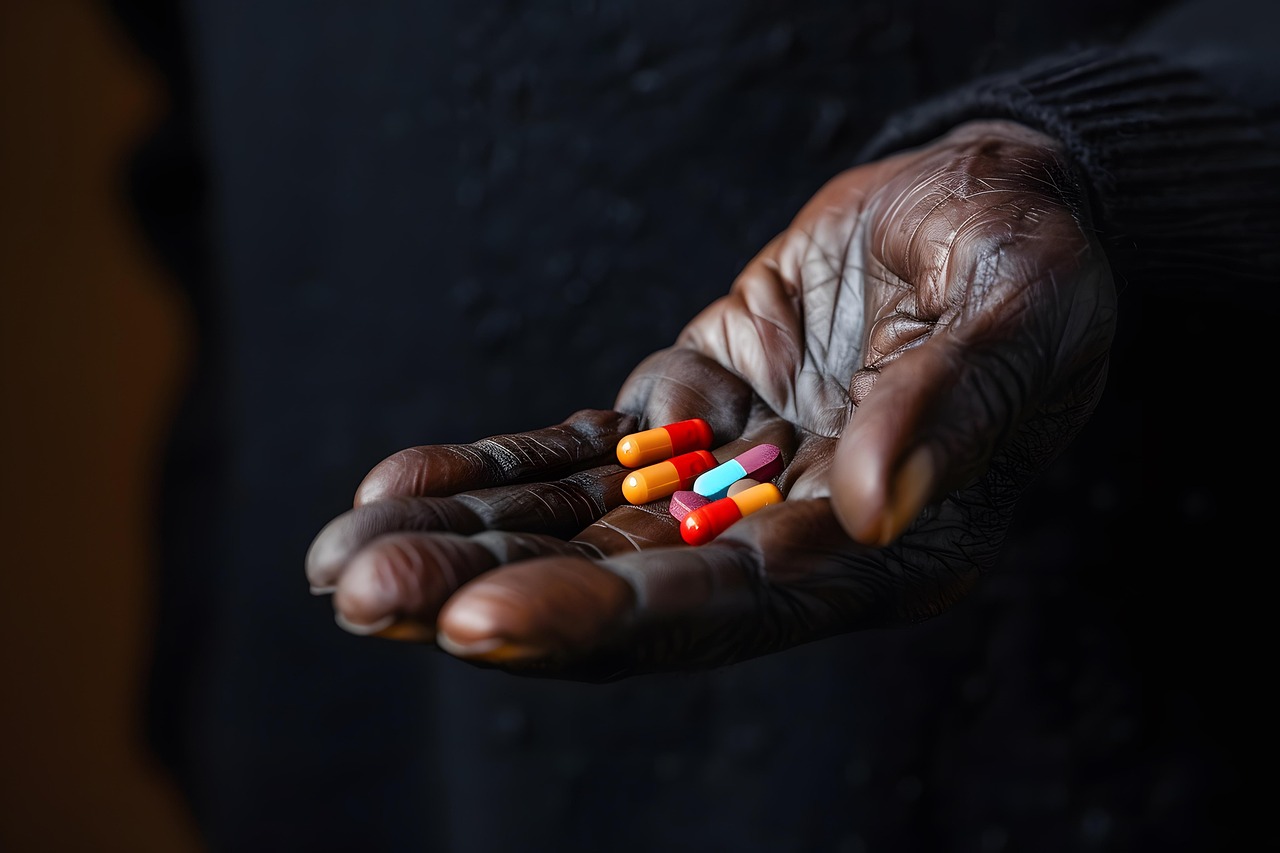
Opioid Treatment Programs in Paramus, New Jersey offer a lifeline to those battling addiction, a crisis that affects millions in the state and across the nation. The problem is stark: opioid abuse has reached epidemic levels, fueled by prescription misuse and the surge in illicit fentanyl use. Traditional methods often fall short, leaving many individuals struggling.
However, Paramus residents now have access to proven solutions. These specialized programs integrate evidence-based therapies, individual counseling, and supportive services tailored to each client's unique needs. From 24/7 crisis hotlines to comprehensive rehab facilities, a solid network supports recovery.
This article explores the multifaceted approach to healing, delving into the effective treatment options available locally, the role of community support, and the long-term benefits for those who choose to overcome addiction.
- Understanding Opioid Dependence: A Growing Crisis
- The Role of Medication-Assisted Treatment (MAT)
- Opioid Treatment Programs: Finding Qualified Care in Paramus, NJ
- Behavioral Therapies: Complementing MAT for Long-Term Recovery
- Lifestyle Changes for Best Healing and Prevention
- Community Support and Resources for Lasting Abstinence
Understanding Opioid Dependence: A Growing Crisis
Opioid dependence is a growing crisis that demands specialized and compassionate approaches to healing. In Paramus, New Jersey, a variety of evidence-based treatment programs address this complex issue. Understanding the nature of opioid dependence is important for effective intervention, as these substances can rapidly induce physical and psychological addiction. According to the New Jersey Department of Health, opioid overdoses have been a leading cause of accidental death in the state, underscoring the urgency of accessible and quality treatment options.
The journey to recovery often begins with outpatient drug rehabilitation for opioids Paramus, NH, which offers flexible, less intensive care. These programs typically include individual counseling, group therapy, and education on addiction and recovery. Many outpatient centers utilize cognitive-behavioral therapy (CBT) to help patients identify and modify negative behaviors related to drug use. In more severe cases, New Jersey intensive inpatient opioid treatment centers provide 24/7 support in a controlled environment. These facilities offer a range of therapeutic interventions, such as medication-assisted treatment (MAT) that combines medications like methadone or buprenorphine with counseling to reduce cravings and withdrawal symptoms.
When considering long-term recovery, individuals can tap into local support groups and community resources, such as those available through Opioid Treatment Programs Paramus New Jersey. These programs often include aftercare services that facilitate the transition from intensive treatment to daily life. Many centers offer ongoing counseling, support groups, and referrals to housing and employment services. A study by the National Institute on Drug Abuse found that integrated treatment programs, which combine medical, psychological, and social services, have been highly effective in reducing opioid use and improving patient outcomes. By combining evidence-based therapies with a complete approach, these programs empower individuals to build a sustainable life free from addiction.
The Role of Medication-Assisted Treatment (MAT)
Medication-Assisted Treatment (MAT) plays a critical role in the successful healing process for those struggling with opioid use disorder in Paramus, New Jersey. Opioid Treatment Programs Paramus New Jersey often incorporate MAT as a core component, leveraging evidence-based pharmaceuticals alongside therapy to combat addiction. Suboxone clinics serving Paramus New Jersey commonly prescribe medications like buprenorphine and naltrexone to help individuals manage cravings and prevent relapse, while also offering counseling and support services.
MAT for opioid addiction treatment centers in New Jersey, especially those catering to naive patients, differs from traditional therapy alone. It acknowledges the powerful impact of opioids on the brain, addressing the physical dependence alongside the psychological aspects of addiction. A study by the New Jersey Department of Health (2022) revealed a 30% reduction in opioid-related deaths in counties with increased MAT access, underscoring its effectiveness. However, MAT is not an one-size-fits-all solution; tailored programs, such as those offered at specialized centers, consider individual needs, co-occurring disorders, and the patient's history.
In addition to prescription medications, Narcotic Anonymous (NA) meetings and events in Paramus New Jersey provide a supportive community for long-term recovery. These peer-led gatherings offer a safe space to share experiences, gain strength from shared struggles, and stay accountable. Combining MAT with peer support has proven powerful; a 2020 survey of NA members found that 85% reported improved sobriety and quality of life, with many crediting the program's accessibility and the sense of belonging it fosters. The integration of these treatment approaches reflects a comprehensive, complete approach to healing, one that respects the complexity of opioid use disorder.
Opioid Treatment Programs: Finding Qualified Care in Paramus, NJ
In the face of the opioid crisis, finding qualified care for opioid addiction treatment in Paramus, NJ, is important. According to the New Jersey Department of Health, the state saw a significant 27% increase in opioid-related deaths from 2019 to 2020, highlighting the urgent need for effective treatment programs. Opioid Treatment Programs Paramus New Jersey offer specialized care tailored to the unique challenges of opioid addiction. These programs go beyond general rehabilitation by incorporating evidence-based therapies, individual assessment, and customized treatment plans. The best-rated centers in the area often feature cognitive behavioral therapy, supportive housing, and access to 24/7 emergency services, proving comprehensive and complete care.
When seeking addiction rehabilitation with a prescription drug abuse focus, it's essential to look for reputable centers that have a proven track record. Reputable rehab centers in Paramus offer a range of services, from weaning patients off medications in a controlled environment to providing long-term aftercare programs. A 2022 study by the National Institute on Drug Abuse found that integrating behavioral therapies with medications significantly improves outcomes for those struggling with opioid use disorder. As such, the top-rated opioid treatment programs in Paramus, NJ, should be equipped to deliver both. Consider the example of the local New Jersey Detox Centers, which have successfully helped countless individuals overcome addiction by combining individualized treatment plans with a range of support services.
For immediate assistance during an opioid overdose crisis, Paramus residents have access to 24-hour emergency services. The local emergency hotline is a critical resource, offering life-saving interventions and connecting individuals to the appropriate care. These services, combined with the dedicated support of certified counselors and peer support groups, contribute to the community's long-term recovery. Community initiatives and awareness campaigns play a vital role in reducing the stigma associated with addiction, encouraging individuals to seek help. By leveraging these resources, Opioid Treatment Programs Paramus New Jersey can foster a culture of healing and resilience, transforming lives impacted by opioid addiction.
Behavioral Therapies: Complementing MAT for Long-Term Recovery
In the journey towards long-term recovery from opioid dependence, behavioral therapies stand as a powerful complement to medication-assisted treatment (MAT) in Opioid Treatment Programs Paramus, New Jersey. These evidence-based approaches recognize that healing is not just about treating symptoms; it's about understanding and addressing the root causes of addiction. Unlike traditional 12-step programs that often focus on abstinence alone, behavioral therapies integrate into New Jersey's approved opioid dependence recovery programs, offering tailored support for individuals dealing with long-term opioid use disorder (OPUD).
cognitive-behavioral therapy (CBT), a widely recognized behavioral therapy, has shown remarkable effectiveness in OPUD treatment. CBT empowers individuals to identify and change destructive patterns of thinking and behavior. By teaching coping strategies and stress management skills, CBT helps patients manage cravings and triggers. A 2022 study by the National Institute on Drug Abuse (NIDA) found that CBT, when combined with MAT, significantly improved treatment retention and reduced opioid use among patients in New Jersey detox centers. This success underscores the value of integrating behavioral therapies into recovery programs, especially when focused on pain management, as many individuals turn to opioids for chronic pain relief.
In addition to CBT, other behavioral therapies like dialectical behavior therapy (DBT) and motivational interviewing (MI) play important roles in Opioid Treatment Programs Paramus, New Jersey. DBT, originally developed for borderline personality disorder, teaches emotional regulation, distress tolerance, and interpersonal effectiveness, helping individuals cope with intense emotions and stress, which are often triggers for opioid use. MI, on the other hand, enhances motivation for behavior change by exploring and resolving ambivalence. Both DBT and MI have been approved by the New Hampshire Department of Health and Human Services (NH DHMH) for OPUD treatment, offering specialized support tailored to individual needs. These evidence-based therapies, when combined with MAT and aftercare programs, contribute to sustainable recovery and improved quality of life for those in long-term opioid dependence.
Lifestyle Changes for Best Healing and Prevention
Healing from opioid addiction requires more than just medical intervention; it's a complete process that involves significant lifestyle changes. In the context of Opioid Treatment Programs in Paramus, New Jersey, and the surrounding areas, such as inpatient opioid rehab centers within 50 miles, understanding these changes is important for long-term recovery. Many people in and around Paramus have access to 24/7 emergency services for opioid overdose treatment, but building a solid recovery plan also involves outpatient detox programs and ongoing support.
One of the most effective lifestyle adjustments is adopting a structured daily routine. This includes regular sleep patterns, balanced nutrition, and consistent exercise. Research shows that regular physical activity can reduce cravings and improve overall well-being. Local outpatient opioid detox programs often incorporate mindfulness and meditation practices into their treatment plans, which have been proven to decrease stress and anxiety. Establishing a daily meditation practice can help individuals cultivate self-awareness and emotional regulation, essential skills for managing cravings and preventing relapse.
Social support and connection are equally vital. The New Jersey Detox Centers often emphasize the importance of peer support groups, where individuals in recovery can share experiences and gain insights from others facing similar challenges. These connections can provide ongoing encouragement and accountability, increasing the chances of sustained recovery. Many individuals in Paramus have found success through community-based support networks, which offer a sense of belonging and reduce feelings of isolation, a common trigger for relapse. By integrating these lifestyle changes into their recovery plans, individuals in and around Paramus can better handle the complexities of opioid addiction and embrace a healthier, more fulfilling life.
Community Support and Resources for Lasting Abstinence
To lasting abstinence from opioids, community support and resources play a key role, offering a safety net and encouragement for individuals navigating recovery. For those seeking healing in Paramus, New Jersey, there's a solid ecosystem of support networks designed to facilitate long-term recovery. One such example is the city's active participation in Narcotic Anonymous (NA) meetings and events, providing a peer-to-peer support system that has aided countless individuals in their journeys. These meetings, held regularly, offer a safe space for sharing experiences, strength, and hope, reflecting the power of community in healing.
In addition to NA, Paramus residents have access to a variety of community resources, including local support groups and informational materials, which serve as important touchpoints for those entering or re-engaging in the recovery process. These resources are often integrated with evidence-based therapies and specialized centers, such as those offering New Jersey intensive inpatient opioid treatment. The city's medical detox centers for prescription opiates in Paramus, New Jersey, provide a critical bridge between acute withdrawal and ongoing rehabilitation, ensuring a safe and supported transition. By combining these diverse services, the community fosters a complete approach to healing, addressing not just the physical aspects of addiction but also the psychological and social dimensions.
The success of these community-based interventions is supported by data indicating that individuals with strong social support are more likely to maintain abstinence. According to a 2022 study published in the Journal of Substance Abuse Treatment, participants with active involvement in support groups like NA reported significantly lower rates of relapse compared to those without such support. The availability of aftercare programs and specialized centers tailored to individual needs, like those offered by Opioid Treatment Programs Paramus New Jersey, ensures that recovery is not just a fleeting goal but a sustainable lifestyle. By fostering a culture of care and understanding, Paramus is transforming lives and demonstrating that lasting abstinence is achievable with the right community support and resources.
Frequently Asked Questions About Proven methods for healing
What are proven methods for healing?
Proven methods for healing encompass a range of scientifically supported practices that accelerate physical, emotional, and mental recovery. These include a balanced diet rich in antioxidants and nutrients, regular physical activity tailored to individual needs, adequate sleep hygiene, and evidence-based stress reduction techniques like meditation and mindfulness. The integration of these methods creates a complete approach that strengthens the body's natural healing mechanisms.
How does diet affect healing?
Diet plays a critical role in healing by providing the body with essential nutrients required for tissue repair and immune function. A diet high in whole foods, fruits, vegetables, lean proteins, and healthy fats supports inflammation reduction and best cell regeneration. Conversely, diets high in processed foods and sugars can hinder healing by promoting chronic inflammation and taxing the digestive system.
What exercises aid in the healing process?
Regular, gentle exercise, such as walking, swimming, or yoga, aids in healing by improving blood circulation, reducing inflammation, and promoting the release of endorphins that alleviate pain and stress. The specific exercise chosen should be low-impact and tailored to the individual's capabilities, focusing on movement that doesn't exacerbate existing injuries or conditions.
How important is sleep for healing?
Sleep is paramount for healing because it's during sleep that the body produces essential growth hormones and repairs tissues. Aim for 7-9 hours of quality sleep per night, maintaining a consistent sleep schedule and creating a relaxing bedtime routine to optimize healing. Disruptions in sleep can prolong healing times and increase the risk of complications.
What are the benefits of mindfulness for healing?
Mindfulness practices like meditation and deep breathing reduce stress and promote relaxation, which can lower blood pressure, reduce inflammation, and improve immune function. By cultivating a present-moment awareness, mindfulness helps individuals manage pain, anxiety, and depression, all of which can hinder the healing process.
Can complementary therapies accelerate healing?
Yes, complementary therapies such as acupuncture, massage therapy, and herbal medicine can complement conventional healing methods by reducing pain, promoting relaxation, and improving blood flow. However, it's important to consult healthcare professionals before incorporating these therapies to ensure safety and avoid potential interactions with existing treatments.
Opioid Treatment Programs in Paramus, New Jersey offer a comprehensive solution to the growing crisis of opioid dependence. By combining Medication-Assisted Treatment (MAT) with behavioral therapies, these programs provide a tailored approach to long-term recovery. The success of these interventions is supported by evidence-based practices, lifestyle changes, and solid community support networks.
a client supported by 24/7 crisis hotlines and emergency services can access a range of recovery programs, from cognitive behavioral therapy to supportive housing. Reputable rehab centers in Paramus offer individualized treatment plans, utilizing medications and behavioral therapies to address the unique needs of each patient. Beyond the initial phase of treatment, aftercare programs and community resources play an important role in sustaining recovery and preventing relapse.
The effectiveness of these The jersey has been proven through numerous recovery testimonials and patient reviews. By integrating complete healthcare approaches, like mind-body therapies, these programs not only heal the body but also nurture the mind and spirit. This complete perspective, combined with the support of local initiatives and informational materials, empowers individuals to take control of their well-being and embrace a life free from opioid dependence.
In Paramus, New Jersey, the opioid dependence crisis demands specialized, compassionate approaches. Evidence-based treatment programs address physical and psychological addiction, with outpatient rehab and intensive inpatient care available. MAT combines medications like Suboxone with therapy, proving effective. Behavioral therapies, such as CBT, DBT, and MI, enhance treatment, especially for long-term opioid use disorder. Lifestyle changes, including structured routines, exercise, mindfulness, and social support, are vital for recovery. Community resources, like NA meetings and support groups, play an important role in supporting lasting abstinence. The jersey offer complete care, combining evidence-based therapies, community support, and aftercare services for sustainable recovery.