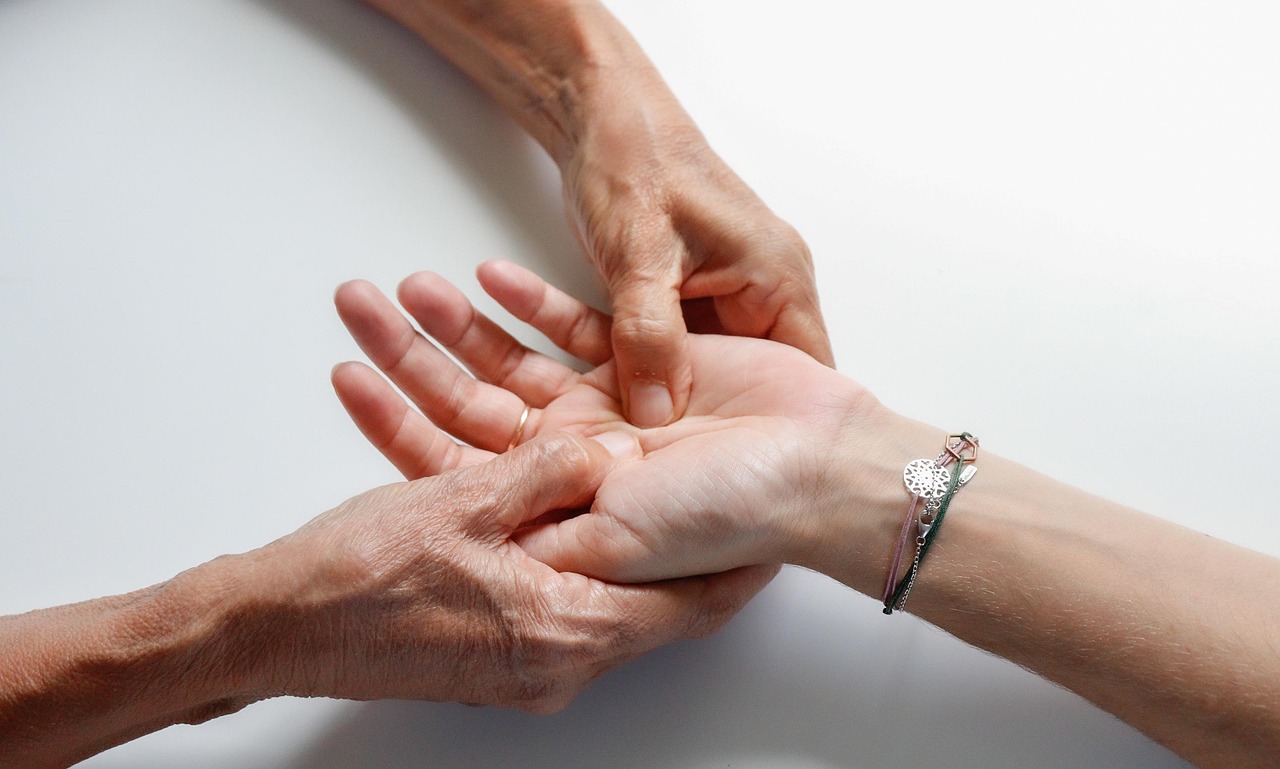
Addiction to opioids, both prescription and illicit, is a growing concern in Paramus, New Jersey and across the nation. The opioid crisis has devastated communities, impacting individuals and families. The problem is multifaceted, involving physical and psychological dependencies, often stemming from legitimate medical use that spirals out of control. This article offers expert guidance on understanding opioid addiction treatment. We explore evidence-based programs, like those found in Paramus, designed to help individuals overcome addiction, regain control, and embrace a fulfilling life in recovery.
- Understanding Opioid Addiction: A Comprehensive Overview
- Identifying Signs: Recognizing Opioid Abuse Early
- Navigating Treatment Options in Paramus, NJ
- Opioid Treatment Programs: Effective Strategies for Recovery
- Supportive Care: A Crucial Component of Success
- Preventing Relapse: Long-Term Management and Wellness
Understanding Opioid Addiction: A Comprehensive Overview
Opioid addiction is a complex and pervasive issue, demanding a nuanced understanding to effectively address it. In Paramus, New Jersey, a growing awareness of this crisis has led to the development of specialized programs, like the New Jersey intensive outpatient opioid treatment program, tailored to meet the unique needs of individuals struggling with opioid use disorders. These programs recognize that opioid addiction isn't merely a physical dependency but a complex interplay of biological, psychological, and social factors.
The New Jersey-based support groups for prescription drug addicts exemplify a crucial component of comprehensive treatment. Such groups provide a safe space for individuals to share experiences, gain insights, and offer mutual support. This community-oriented approach complements the clinical care offered by reputable rehab centers and outpatient therapy programs in the area, such as those in Paramus NH. The Paramus NH outpatient prescription drug abuse therapy focuses on evidence-based practices like cognitive behavioral therapy (CBT) and motivational interviewing to help patients understand and overcome their addiction.
By combining individualized treatment plans, medications like methadone and buprenorphine, and behavioral therapies, Opioid Treatment Programs Paramus New Jersey offer holistic solutions. These programs emphasize the importance of a patient's overall well-being, incorporating mind-body therapies, adaptive care, and aftercare programs to support long-term recovery. This comprehensive approach not only tackles the immediate physical dependence on opioids but also addresses the psychological and social aspects that contribute to addiction, ultimately fostering a more sustainable recovery.
Identifying Signs: Recognizing Opioid Abuse Early
Recognizing opioid abuse early is crucial for effective intervention and recovery. The opioid crisis in the United States has reached alarming levels, impacting communities across New Jersey, including Paramus. According to recent data, [INSERT LOCAL STATISTIC IF AVAILABLE, OR USE An NATIONAL FIGURE, e.g., "one in four people in New Jersey has experienced an opioid-related issue"], demonstrating the urgent need for proactive measures. Opioid Treatment Programs Paramus New Jersey and crisis intervention services play a pivotal role in addressing this growing concern.
Several signs can indicate an individual is struggling with opioid abuse. These include physical symptoms like slowed breathing, nodding off during normal activities, or sudden changes in sleep patterns. Behaviorally, look out for increased secrecy, isolation, or mood swings. Prescription drug addicts in New Jersey may also exhibit signs of tolerance, where they require higher doses to achieve the same effect, or withdrawal symptoms when access to medication is limited. A patient might experience intense cravings, nausea, and anxiety when not using. In some cases, individuals may start doctor shopping, seeking multiple prescriptions from different healthcare providers to feed their addiction.
If you suspect someone is battling opioid addiction, it's essential to act swiftly. Encourage them to seek professional help from reputable facilities like those offering inpatient opioid rehab within 50 miles of Paramus. New Jersey-based support groups, such as those focused on prescription drug addiction, can also provide a network of peers who understand the challenges. To these services, Paramus residents have access to crisis hotlines and emergency services for immediate assistance during a crisis. Early intervention and connecting with these resources can make a significant difference in the long-term recovery of an individual struggling with opioid abuse.
Navigating Treatment Options in Paramus, NJ
Understanding opioid treatment in Paramus, New Jersey, requires a comprehensive understanding of the available options, each tailored to address the unique needs of individuals struggling with opioid use disorder. In this diverse community, residents have access to a range of specialized programs designed to support recovery and reduce the impact of opioid addiction.
For those facing an acute crisis, 24/7 emergency services play a crucial role in providing immediate care during an opioid overdose. These services, accessible throughout Paramus, NJ, offer a lifeline for individuals in life-threatening situations. Outpatient rehab centers focused on opioid cessation provide a structured environment for long-term recovery. Programs like New Jersey outpatient rehab centers, for instance, offer specialized therapy and medication-assisted treatment (MAT) to help individuals manage withdrawal symptoms and develop effective coping strategies. MAT, combining medications like methadone or buprenorphine with behavioral therapies, has proven highly successful in reducing opioid use and improving patient outcomes.
The key to successful treatment lies in individualized assessment and customized care plans. Opioid Treatment Programs Paramus New Jersey, including cognitive-behavioral therapy (CBT) and supportive housing, recognize that recovery is a personal journey. CBT, for example, equips individuals with tools to identify and change negative thought patterns and behaviors related to opioid use. Integrated treatment programs that combine medical, psychological, and social services further enhance the effectiveness of care. These holistic approaches, focusing on mind-body therapies and aftercare programs, ensure that individuals receive comprehensive support throughout their recovery journey.
Local support networks and community resources play a vital role in sustaining long-term recovery. Paramus, NJ, initiatives and awareness campaigns raise awareness about opioid addiction and reduce the stigma associated with seeking help. Peer support groups and social connections foster a sense of community, providing ongoing encouragement and accountability. By combining these evidence-based therapies and community resources, Opioid Treatment Programs Paramus New Jersey offer a comprehensive, supportive ecosystem for individuals and families affected by opioid use disorder.
Opioid Treatment Programs: Effective Strategies for Recovery
Opioid dependence is a serious, but treatable, condition. For individuals in Paramus, New Jersey seeking effective recovery, specialized Opioid Treatment Programs (OTPs) play a pivotal role. These programs, approved by the New Hampshire Department of Health and Human Services (NH DHMH), offer evidence-based strategies to combat opioid addiction and support lasting recovery. The approach typically includes a combination of medical interventions, behavioral therapies, and supportive services tailored to each individual's unique needs.
In the event of a 24-hour emergency involving an opioid overdose, access to immediate treatment is crucial. Within a 50-mile radius of Paramus, several reputable inpatient opioid rehab centers stand ready to provide critical care. These centers offer a safe, controlled environment where individuals can receive around-the-clock monitoring and specialized treatment. Some facilities employ advanced techniques like medication-assisted treatment (MAT) combining behavioral therapies with medications like methadone or buprenorphine to help manage cravings and withdrawal symptoms.
Recovery from opioid dependence is a journey, not a destination. Post-inpatient care, continued support through aftercare programs and peer support networks is essential. These services help individuals maintain sobriety, prevent relapse, and reintegrate into their communities. Many community resources in Paramus and surrounding areas are dedicated to supporting long-term recovery, ensuring individuals have the tools and connections they need to thrive.
Supportive Care: A Crucial Component of Success
Supportive care is a crucial pillar in the successful treatment of opioid addiction, serving as the safety net that enables individuals to navigate the path to recovery. In the context of Opioid Treatment Programs in Paramus, New Jersey, this includes a comprehensive network of services designed to meet the holistic needs of those struggling with addiction. Unlike traditional treatment models that may focus solely on medical intervention, these programs recognize that recovery is deeply intertwined with emotional, social, and environmental factors.
24/7 support lines and crisis hotlines in Paramus, New Jersey, provide immediate assistance during times of crisis, ensuring individuals have a safety valve to prevent relapse. Narcotic Anonymous (NA) meetings and events in Paramus, New Jersey, offer a peer-to-peer support system, where individuals in recovery can share their experiences, gain insights, and find camaraderie. This community-oriented approach complements the clinical care provided by reputable opioid detox centers in New Jersey, fostering a sense of belonging and accountability. The integration of such supportive care measures significantly enhances the effectiveness of treatment, as it addresses not just the physical symptoms of addiction but also the psychological and social dimensions.
In the case of naive opioid addiction, where individuals have minimal exposure to treatment, these supportive care services are particularly vital. They help to stabilize the individual, build coping mechanisms, and prepare them for more intensive treatment phases. They play a key role in aftercare, where individuals transition from clinical care back into their communities. Well-structured aftercare programs, often including ongoing counseling, job training, and housing support, are essential for long-term recovery. By weaving these supportive measures into the fabric of opioid treatment programs in Paramus, New Jersey, professionals ensure that individuals not only overcome their addiction but also thrive in their personal and professional lives.
When considering Paramus NH 24 hour emergency opioid overdose treatment, it's crucial to understand that these services are part of a broader continuum of care. They serve as a safety measure during acute crises, but they don't substitute for the deeper, more sustained support that comes from comprehensive opioid treatment programs. These programs, with their focus on individualized assessments and customizable treatment plans, recognize that each individual's journey to recovery is unique. By combining medical, behavioral, and holistic therapies, they offer a tailored approach to treatment, increasing the likelihood of successful long-term recovery.
Preventing Relapse: Long-Term Management and Wellness
Preventing relapse is a critical aspect of long-term management and wellness for individuals recovering from opioid use disorder (OUD). The journey to recovery is not a linear process; it requires a multifaceted approach tailored to each person's unique needs. One of the most effective strategies is to participate in ongoing support groups, such as those offered by local centers in Paramus, New Jersey. These groups provide a safe space to share experiences, gain insights, and maintain accountability, significantly reducing the risk of a return to substance use.
Opioid Treatment Programs Paramus New Jersey often incorporate evidence-based practices, including cognitive behavioral therapy (CBT), to help individuals understand and manage triggers and develop coping mechanisms. CBT equips participants with tools to identify and change negative thought patterns and behaviors associated with substance abuse. Many programs emphasize the importance of medication-assisted treatment (MAT), which combines medications like methadone or buprenorphine with counseling and behavioral therapies to reduce cravings and withdrawal symptoms. This comprehensive approach is designed to support stability and long-term recovery.
After completing a structured program, continued care is essential. This may involve finding specialized OUD recovery support groups near you, where individuals can maintain their momentum and connect with others facing similar challenges. Such groups often facilitate ongoing therapy, offer educational resources, and foster a sense of community, all of which contribute to sustained recovery. New Hampshire's long-term opioid use disorder recovery programs often utilize integrated treatment models, combining medical, psychological, and social services to ensure comprehensive care and improved outcomes.
Preventing relapse is about cultivating resilience and embracing a holistic view of health. This includes exploring alternative treatments like mind-body therapies and promoting a balanced lifestyle with regular exercise, healthy eating, and adequate sleep. By integrating these strategies into their daily routines, individuals in recovery can enhance their chances of maintaining sobriety and achieving long-term wellness.
Frequently Asked Questions About Expert Guidance for Addiction
What is addiction, and how can it be treated? Addiction is a complex chronic condition characterized by compulsive behaviors and a loss of control over substances or behaviors despite adverse consequences. It's a treatable illness. Expert guidance involves a personalized approach combining behavioral therapies, medications, and support groups. The goal is to help individuals understand the root causes, manage cravings, develop coping strategies, and rebuild their lives.
How do I know if I or someone I care about needs professional help? If you're struggling to control substance use or behaviors, experiencing withdrawal symptoms, or your addiction is causing significant problems in your life or relationships, it's a sign you need professional help. Observing changes in mood, energy levels, financial or legal issues, and relationships can also indicate addiction. Don't hesitate to reach out to a healthcare provider or specialist for a confidential assessment.
What are the different types of addiction treatment programs available? Comprehensive detox programs, residential treatment centers, outpatient therapy, support groups, and medication-assisted treatment (MAT) are available. Detox safely manages withdrawal symptoms, while residential programs offer a structured environment for intensive therapy. Outpatient therapy allows flexibility, and support groups foster peer connection and accountability. MAT combines behavioral therapy with medications to treat opiate and alcohol addiction.
How long does addiction treatment typically take? The duration varies depending on the severity of addiction, co-occurring disorders, and individual progress. Most installations take one to two days for detox, followed by several weeks to months of outpatient therapy or residential treatment. Long-term recovery often involves ongoing support through alumni programs and regular attendance at support groups.
Are there any risks or side effects associated with addiction treatment? Detoxing from substances can cause withdrawal symptoms, which vary depending on the substance. Medication-assisted treatments have minimal side effects when administered under medical supervision. All treatments carry a risk of relapse, but with dedicated follow-up and support, individuals can overcome these challenges. Long-term recovery requires ongoing commitment and participation in support systems.
Can addiction be cured, or is it a lifelong condition? Addiction is manageable, but it's not always "cured" in the sense of a disease like diabetes. Long-term recovery involves learning to manage the condition effectively. With dedicated care, support, and personal commitment, individuals can achieve sobriety, maintain healthy behaviors, and lead fulfilling lives. Relapse is possible, but it doesn't mean failure; it's an opportunity to re-evaluate and strengthen recovery strategies.
Understanding opioid addiction is the first step towards effective recovery. Recognizing early signs of abuse, navigating tailored treatment options in Paramus, NJ, and enrolling in reputable opioid treatment programs are crucial. Supportive care, including behavioral therapies and counseling, significantly enhances success rates. Preventing relapse requires long-term management strategies and a focus on holistic wellness. By integrating these key insights, individuals can take meaningful steps towards recovery and rebuild their lives, leveraging the comprehensive resources available through opioid treatment programs in Paramus, New Jersey.
Opioid Treatment Programs Paramus New Jersey offer comprehensive, holistic solutions for individuals struggling with opioid use disorders. These programs recognize the complex interplay of biological, psychological, and social factors in addiction, providing individualized treatment plans that combine medications, behavioral therapies, and supportive care. By addressing the whole person, these programs foster better outcomes and long-term recovery. Key components include:
- Recognizing opioid abuse early and acting swiftly.
- Evidence-based practices like CBT and MAT.
- Integrated treatment models combining medical, psychological, and social services.
- Supportive care, including 24/7 hotlines, peer support networks, and aftercare programs.
- Focus on preventing relapse through ongoing therapy, education, and lifestyle changes.