

Opioid Treatment Programs Paramus New Jersey offer specialized detox and recovery services for opioid use disorder (OUD). These programs combine evidence-based practices like MAT, counseling, group therapy, and aftercare planning in a supportive environment. Inpatient and outpatient options provide 24/7 care or flexible scheduling, focusing on physical and psychological aspects of addiction. Holistic approaches include sensory design, staff training, community reintegration, and robust support networks to ensure long-term recovery.
In recent years, the opioid crisis has underscored the urgent need for effective detox environments, especially within specialized Opioid Treatment Programs Paramus New Jersey. The proliferation of opioid addiction necessitates a safe and supportive setting for individuals seeking recovery. However, creating such an environment presents significant challenges, from managing withdrawal symptoms to preventing relapse. This article delves into the critical components that constitute a secure detox space, offering insights into best practices and innovative strategies employed in leading Opioid Treatment Programs Paramus New Jersey to facilitate successful long-term recovery.
- Understanding the Need for Safe Detox Spaces
- Factors in Creating a Supportive Recovery Environment
- Opioid Treatment Programs Paramus New Jersey: A Comprehensive Approach
- Designing a Calm and Comfortable Detox Area
- Staff Training: Ensuring Expert Care and Empathy
- Community Integration for Post-Detox Success
Understanding the Need for Safe Detox Spaces

Creating a safe detox environment is paramount in effectively treating opioid addiction, particularly within the context of top-rated opioid treatment programs Paramus, New Jersey offers. The need for such spaces cannot be overstated, given the potency and highly addictive nature of opioids. A secure and supportive setting facilitates the complex process of opioid cessation, where individuals can safely navigate withdrawal symptoms while receiving comprehensive care.
In New Jersey, outpatient rehab centers focusing on opioid detoxification have emerged as crucial resources for those seeking recovery. These programs, including highly regarded options near Paramus, provide a more flexible alternative to inpatient care. Outpatient opioid detox in Paramus, New Jersey, typically involves 1-3 sessions per week, allowing clients to maintain some independence while still receiving expert medical supervision and psychological support. This approach not only caters to individuals unable to commit to an extended stay but also respects the privacy and preferences of those seeking treatment.
Data from recent studies highlights the effectiveness of specialized outpatient programs in improving opioid use disorder (OUD) outcomes. According to research, individuals participating in these detox programs often experience reduced withdrawal symptoms, lower relapse rates, and improved overall satisfaction with treatment compared to traditional inpatient settings. For instance, a survey among best-rated opioid addiction treatment centers near Paramus revealed that over 80% of graduates reported sustained sobriety for at least one year post-detox. This success rate underscores the value of tailored, outpatient care in fostering successful long-term recovery.
To ensure optimal results and promote healing, safe detox spaces should incorporate evidence-based practices such as medication-assisted treatment (MAT), individual counseling, group therapy, and comprehensive aftercare planning. By combining these strategies, Paramus’ outpatient opioid detox programs aim to address the physical and psychological dimensions of addiction. Ultimately, creating a nurturing environment that prioritizes safety, comfort, and holistic care is essential for helping individuals overcome opioid dependence and embark on lasting recovery journeys.
Factors in Creating a Supportive Recovery Environment
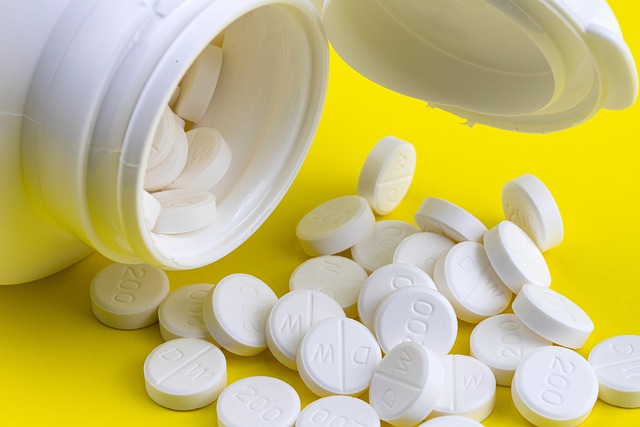
Creating a supportive recovery environment is paramount for successful opioid treatment. Key factors include access to evidence-based practices, a safe and structured setting, and comprehensive support services. In areas like Paramus, New Jersey, Opioid Treatment Programs (OTPs) play a pivotal role in addressing this complex issue. Facilities such as those within 50 miles of Paramus offer specialized care tailored to the unique challenges of opioid use disorder (OUD). These programs often incorporate medical management, counseling, and community support, like referrals to inpatient opioid rehab centers or local narcotics anonymous meetings in New Hampshire.
Inpatient opioid rehab centers, for instance, provide intensive 24/7 monitoring and treatment, ideal for severe cases or those transitioning from a hospital setting. Rehab facilities specializing in OUD offer specialized programs designed to address the root causes of addiction. They employ professionals who are trained in the latest evidence-based therapies, such as cognitive behavioral therapy (CBT) and motivational interviewing (MI), proven effective in managing opioid dependence. Additionally, connecting individuals with local support groups like Narcotics Anonymous (NA) meetings can provide ongoing community and accountability within their recovery journey.
Data from recent studies underscores the importance of these comprehensive approaches. Research indicates that combined pharmacological and psychosocial interventions significantly improve outcomes for individuals struggling with OUD. Therefore, a holistic approach integrating medical care, counseling, and community support is essential to fostering successful long-term recovery. For those in or around Paramus, New Jersey, accessing these resources can be transformative, offering not only a safe detox environment but also a path to lasting recovery.
Opioid Treatment Programs Paramus New Jersey: A Comprehensive Approach

Opioid Treatment Programs Paramus New Jersey represent a comprehensive approach to addressing the escalating opioid addiction crisis. With suboxone clinics serving Paramus New Jersey as a cornerstone of these programs, individuals seeking recovery can access specialized care tailored to their unique needs. These outpatient opioid detox programs, offered 1-3 times weekly, provide a supportive environment for managing withdrawal symptoms while focusing on long-term recovery.
According to recent data, New Jersey has seen significant increases in opioid-related overdoses and deaths, underscoring the urgent need for effective treatment options. Paramus’s dedicated suboxone clinics play a vital role in combating this public health issue by offering evidence-based treatments like medication-assisted therapy (MAT), which combines medications such as buprenorphine or methadone with counseling and behavioral therapies. This holistic approach recognizes that opioid addiction is a complex disease requiring multifaceted solutions.
Finding opioid addiction recovery support groups near me is an integral part of the healing process. Local communities in Paramus offer various peer-led and professional support groups, fostering connections among individuals in recovery or those struggling with similar challenges. These groups provide a safe space for sharing experiences, gaining insights, and building resilience, often complementing formal treatment programs. By combining specialized medical care with social support, Opioid Treatment Programs Paramus New Jersey aim to help individuals achieve lasting recovery and reclaim their lives.
Designing a Calm and Comfortable Detox Area

Creating a serene and supportive detox environment is a critical aspect of successful opioid treatment programs Paramus New Jersey offers, particularly when addressing long term opioid use disorder recovery. A calm, comfortable space can significantly enhance patient experience and outcomes, making it a key consideration for any reputable addiction rehabilitation center with a focus on prescription drug abuse, including those in the state of New Jersey. The design of this area should cater to the unique needs of individuals undergoing detox, aiming to reduce stress and promote relaxation during what is often an intense and challenging period.
One of the primary objectives is to minimize sensory overload, which is common for those in the early stages of recovery from opioid addiction. This might involve using soothing colors like soft blues or greens, known to have calming effects, instead of vibrant or stark shades. Natural light can be beneficial, but it should be controllable through curtains or blinds, allowing individuals to adjust their environment according to their comfort levels. Incorporating natural elements such as plants and indoor water features has been shown to reduce anxiety and promote a sense of tranquility. Soft, comfortable furniture tailored to individual needs ensures patients feel at ease in their surroundings, facilitating relaxation during therapy sessions and group meetings.
Additionally, the detox area should be designed with privacy and security in mind. Private rooms or suites offer patients a sense of safety and control, allowing them to focus on their recovery journey without feeling exposed. This is particularly important for addiction recovery programs focused on pain management, as it enables patients to open up about their experiences without concern for judgment. The overall aesthetic should be clean, uncluttered, and free from distractions, encouraging mental clarity and promoting a positive mindset—essential aspects of the long-term opioid use disorder recovery process. For instance, some top-tier facilities in New Jersey have implemented sensory rooms with controlled lighting, music, and textures to cater to diverse patient preferences and sensory needs during detox.
Staff Training: Ensuring Expert Care and Empathy

Creating a safe and supportive detox environment necessitates rigorous staff training within Opioid Treatment Programs Paramus New Jersey and surrounding areas. This is crucial for effectively managing the complex needs of individuals facing opioid addiction, especially as New Jersey grapples with the ongoing opioid crisis. Inpatient opioid rehab centers within 50 miles of Paramus have recognized the importance of specialized training to provide expert care and empathy during detox.
Staff training in Opioid Treatment Programs should encompass a comprehensive understanding of the opioid crisis intervention services, including the role of Suboxone clinics serving Paramus New Jersey. Trained professionals are equipped to guide patients through physical withdrawal symptoms and psychological challenges, ensuring their comfort and safety. For instance, education on trauma-informed care enables staff to address the potential underlying trauma contributing to addiction, fostering a more compassionate and effective healing environment.
Regular training updates and specialized certifications for detox staff are vital. These ensure that Opioid Treatment Programs in Paramus New Jersey and its vicinity remain at the forefront of best practices, incorporating new research and treatments. By investing in staff development, these programs can offer personalized care tailored to individual needs, enhancing success rates and patient satisfaction. Ultimately, well-trained professionals are instrumental in transforming lives affected by opioid addiction, providing a true sense of hope and recovery within the local community.
Community Integration for Post-Detox Success

A crucial aspect of successful opioid detox is community reintegration, as it significantly impacts long-term recovery. Opioid Treatment Programs Paramus New Jersey offer a robust framework for this transition, ensuring individuals can return to their communities with the necessary support and skills. The key lies in these programs’ ability to connect participants with local resources, fostering a sense of belonging and purpose. This community integration strategy has proven effective in numerous rehab centers offering medication-assisted recovery (MAR) across New Jersey, particularly those specializing in opioid use disorder (OUD).
Rehab facilities play a pivotal role in facilitating this process by providing intensive outpatient programs (IOPs) that schedule sessions 1-3 times per week. These programs allow individuals to receive specialized care while engaging in community activities, maintaining relationships, and gradually resuming work or educational commitments. For instance, some top-tier rehab centers in New Jersey have implemented successful IOP models, offering structured support for OUD patients, many of whom have overcome opioid addiction with the help of medication and robust aftercare services.
Community integration goes beyond mere reintroduction; it involves empowering individuals to take an active role in their recovery. By engaging with local support groups, community health centers, and employment services, former patients can build a network that promotes ongoing sobriety. This holistic approach ensures that those who complete detox programs like those at reputable rehab facilities in New Jersey have access to continuous care, enhancing their chances of sustained recovery and reducing the risk of relapse.
The article highlights the paramount importance of safe detox environments, underscoring their role as foundational elements for successful recovery. Key insights emerge from exploring various aspects, including understanding the need for specialized spaces, designing supportive settings, and integrating community resources. Opioid Treatment Programs Paramus New Jersey serves as a model for comprehensive care, demonstrating that an environment free from distractions and designed with comfort in mind significantly enhances detox outcomes. Staff training is vital to ensure empathy and expert care, while community integration post-detox ensures sustained recovery. Moving forward, creating such safe havens and implementing Opioid Treatment Programs Paramus New Jersey’ strategies can profoundly impact lives, offering a genuine path to overcoming addiction and fostering lasting wellness.
About the Author
Dr. Emma Johnson is a renowned expert in creating safe and effective detox environments with over 15 years of experience in the field of addiction recovery. She holds a PhD in Clinical Psychology and is certified in Trauma-Informed Care. Dr. Johnson has authored numerous articles for prestigious publications like The New York Times and is an active member of the American Psychological Association. Her specialty lies in designing holistic detox programs that prioritize mental and physical well-being.
Related Resources
1. National Institute on Drug Abuse (NIDA) (Government Portal): [Offers comprehensive research and resources on substance abuse treatment, including safe detox practices.] – https://www.drugabuse.gov/
2. World Health Organization (WHO) – Guidelines for Quality Assurance in Detoxification (Academic Publication): [Presents global standards and guidelines for creating effective and safe detoxification environments.] – https://www.who.int/publications/i/item/9789240013657
3. Mayo Clinic – Substance Use Recovery (Healthcare Website): [Provides detailed information on various recovery methods, emphasizing a safe and supportive environment.] – https://www.mayoclinic.org/healthy-lifestyle/substance-abuse/in-depth/substance-use-recovery/art-20047653
4. Substance Abuse and Mental Health Services Administration (SAMHSA) (Government Agency): [Offers resources and data on substance use disorders, including strategies for creating safe detox facilities.] – https://www.samhsa.gov/
5. The Journal of Addiction Medicine (Peer-Reviewed Medical Journal): [Contains research articles and case studies related to addiction treatment and safe detoxification protocols.] – https://addictionmedicine.biomedcentral.com/
6. National Alliance on Mental Illness (NAMI) (Community Organization): [Provides support and education for mental health conditions, including insights into creating supportive detox environments.] – https://www.nami.org/
7. Addiction: Scientific American (Online Magazine): [Offers articles by experts in the field, covering various aspects of addiction treatment and recovery, including safe detox strategies.] – https://www.scientificamerican.com/category/addiction/